 |
| Chimera maxima clam as seen on Pacific East Aquaculture |
2014年8月7日 星期四
20140807 Two color maxima (Blue Chimera)
I have only heard of this in legends. Now you can own it! the elusive- blue- bicolor- chimera maxima clam at Pacific East Aquaclture- as long as you have $2500 to spare in your wallet. This is a catch, not only this is super rare, it is also a decent 5.5" size. Most maxims under 3" do not live long in captivity because they rely more on phytoplankton feeding than photosynthesis. But if you are a clam enthusiast like me, you cannot miss this clam!

2014年8月3日 星期日
20140803 Waikiki Aquarium- Hawaiian Island Fish
The next exhibition after the show piece clams is the local species from the Hawaiian Islands tank. This tank also features natural sunlight with corals- the corals aren't as abundant, large, and colorful as the South Pacific display, but the fish in the tank is no less vibrant than that of the previous tank.
 In the photo above you can spot some of the more common fish in the N.American aquarium trade such as banner fish, anthias, cleaner wrass (should not be sold to individual owners), convict tangs, etc. But also many rare, expensive species- the masked angel, the Yellow pyramid butterflyfish, and the super expensive Bandit Angelfish (click on the link to see how much you should expect it to be)
 In this trip, the one fish that captured my attention is the blue line tang. To be honest, no responsible aquarium retail store should sell this fish to an average hobbyist. Because they can grow to an enormous size, as I have witnessed while snorkeling. But their beauty is truly unrivaled. This is the one fish I will not keep in my tank, but hoping to someday surround myself with when I move out to Hawaii.
 Another look at the $1000 fish- the bandit angel.
2014年7月29日 星期二
20140729 Waikiki Aquarium 4- coral Extension
One of the most amazing things I've seen in Waikiki Aquarium is placing what we would normally consider "not reef safe" fish in their reef displays. Below is their South Pacific display with the mighty Gigas clam. You can see the beautiful table shelf acropora coral happily growing and extending with coral eating butterfly fish in the tank.
 This is a "smaller" tank (probably 1000 gallon) with anemone and clownfish display. Interesting enough- the tangs in this tank all look very beat up. They don't look unhealthy, just really beat up, I am guessing from all the clowns (very aggressive and territorial) and probably tangs beat each other up among themselves.

2014年7月24日 星期四
20140724 Waikiki Aquarium 3
My third installment of the Waikiki Aquarium post is the highlight of this facility- the 5,500 Gallon South Pacific Reef tank
 The reason this is the highlight of the facility- well, I think the photos speak for themselves. I guarantee you will not find happier captive fish, coral, anemone, and clams happier than this place. I have visited many high-profile public aquariums in my life. And none of these public aquariums with admission up to 6X the price of this place hosts healthier and happier livestock than this small aquarium.
 The pair of Tridacna Gigas here is the world's oldest, and largest captive grown giant clams. Please also observe the amount of hard and soft corals surrounding it. Also, the tanks houses a large variety of both common and rare marine fish.
 Once again, the tank is lit primarily with natural sunlight with a few 1000W metal halide lights supplementing the light.
 Because of the size of this system, once again, it houses many of the species we would normally deem "not reef safe", yet none of them are nipping the corals!
2014年7月19日 星期六
20140719 Waikiki Aquarium 2
Part II of the Waikiki Aquarium tour today-
I've already said this was where I first fell in love with the hobby. But the true reason I fell in love with it was because of its clam display. The setting is a bit different now than before as they have moves some of the larger "small clams" to an outdoor display (to come later). But they still host a variety of beautiful "small" giant clams. Such as these three tridacna squamosa in a reef tank with some of the happiest soft and large polyp stony corals I've ever seen
 Here is another Long nose hawk, not as large as the display by the entrance but equally as adorable
 Another squamosa under the light. I also want to point out that almost ALL reef system aquariums here are exposed to actual natural sunlight with supplemented 1000W metal halide bulbs- you cannot beat this lighting environment.

 An illustration of how "happy" corals should look like, look at the tissue extension on all of them! And the water seems really bubbly because of the unique "surge" tank system Waikiki Aquarium invented to provide natural, life-like surges for the best of corals' health and oxygenation.

I've already said this was where I first fell in love with the hobby. But the true reason I fell in love with it was because of its clam display. The setting is a bit different now than before as they have moves some of the larger "small clams" to an outdoor display (to come later). But they still host a variety of beautiful "small" giant clams. Such as these three tridacna squamosa in a reef tank with some of the happiest soft and large polyp stony corals I've ever seen
With huge system capacity and space, you can clearly tell that you can break a lot of the "rules" on what's reef safe and what isn't. For example, normally people would not consider harlequin tusk wrasse nor copper-banded butterfly "reef safe". But you can see that they are not only thriving in this system, but so are the corals!
2014年7月17日 星期四
20140717 Waikiki Aquarium part 1
This is the birthplace of my aquarium hobby. Ten years ago I came to this aquarium and fell in love with all reef dwelling creatures. Ten years later I love these reef animals just as much, but with much more respect.
 The Waikiki aquarium has been one of the leading research and educational facilities in marine biology. Unlike most aquariums in the mainland focuses on tourism with unnecessary dolphin or beluga whale shows, not to mention over priced admission- The Waikiki aquarium charges a very reasonable $12 / adult admission with optional audio tour included at no additional cost.
 This is a very happy long nose hawkfish living in the display tank by the entrance. It's the largest long nose hawk I've ever seen, over 5" and very perky. This tank also features several butterfly fish (you can see the long nose in the background) that does not touch the corals at all.
2014年7月10日 星期四
Hawaii vacation
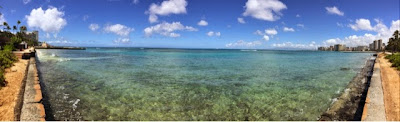
Wet and wild recently had a vacation in Hawaii- and yes, we did some snorkeling and visited the world famous waikiki aquarium. And yes, there will be posts to share these experiences!

訂閱:
文章 (Atom)